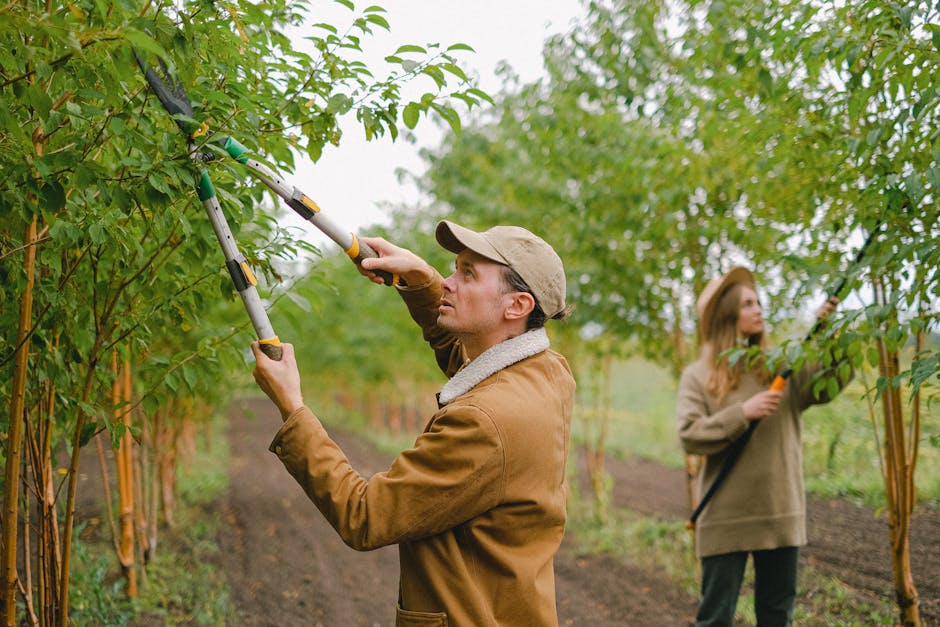
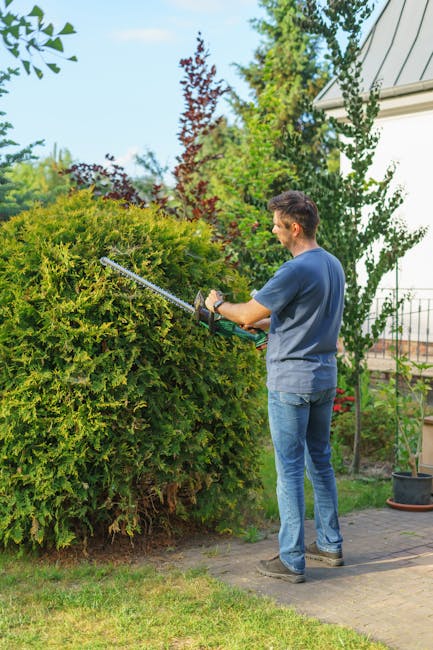
Expert pruning schedule for trees and shrubs in UK gardens
If your garden looks tidy in spring but overgrown by midsummer, you are not alone. A sensible pruning routine makes a huge difference, yet many UK gardeners are unsure when to cut, how much to remove, and which plants should be left alone until the right season. This guide to an expert pruning schedule for trees and shrubs in UK gardens breaks it all down in a practical, no-nonsense way so you can protect plant health, encourage better flowering, and keep borders manageable without guesswork.
Truth be told, pruning is one of those jobs that sounds simple until you're standing there with secateurs in hand, wondering whether you're helping or making a right mess of it. The good news? Once you understand the seasonal rhythm, it becomes far easier. In the sections below, you'll find a clear calendar, step-by-step guidance, common mistakes to avoid, and a realistic checklist you can use across the year.
Table of Contents
- Why pruning matters in UK gardens
- How a pruning schedule works through the year
- Key benefits and practical advantages
- Who needs this and when it makes sense
- Step-by-step pruning guidance
- Expert tips for better results
- Common mistakes to avoid
- Tools, resources and recommendations
- Law, compliance and best practice
- Options, methods and timing comparison
- Case study or real-world example
- Practical checklist
- Conclusion
- Frequently asked questions
Why Expert pruning schedule for trees and shrubs in UK gardens Matters
Pruning is not just about keeping plants neat. Done well, it supports long-term structure, healthier growth, better air movement, and more reliable flowering or fruiting. In a UK garden, the schedule matters even more because our climate can swing from damp and mild to sharply cold, and that affects when cuts heal and how plants respond.
A good schedule helps you prune at the right time for the right reason. A spring-flowering shrub needs a different approach from a summer bloomer. A young tree needs shaping, while an established one may only need selective thinning. Evergreen hedges, climbers, ornamental trees, and fruit trees all have their own rhythm. The trick is not to prune more; it is to prune smarter.
There is also the practical side. If you've ever had a laurel, viburnum, or photinia throw out long, awkward growth after a mild winter, you'll know how quickly a border can become unruly. A planned schedule prevents the "I'll sort it later" problem that turns into a whole weekend of wrestling branches, and nobody wants that on a wet February Saturday.
For gardeners also juggling lawns, patios, borders, and shaded areas, pruning fits into the wider maintenance picture. Healthy structure can improve light levels, help reduce disease pressure, and make the rest of the garden easier to look after. If you are also planning wider upkeep, a sensible place to start is regular garden maintenance support.
How Expert pruning schedule for trees and shrubs in UK gardens Works
An expert pruning schedule is simply a seasonal plan that matches each plant to the safest and most beneficial pruning window. Instead of cutting everything in one go, you group plants by growth habit, flowering time, and risk level.
In practice, most UK pruning plans follow a few broad rules:
- Late winter to early spring is ideal for many deciduous trees and shrubs while they are dormant.
- After flowering is best for many spring-flowering shrubs, so you do not remove next year's buds.
- Mid to late summer suits formative trimming, light shaping, and some hedge work once the first flush of growth has slowed.
- Autumn and early winter are usually avoided for major pruning because fresh cuts can be more exposed to frost, wet, and slow healing.
That said, not every plant obeys a neat calendar. Some trees bleed sap heavily if pruned too late in winter, and some shrubs flower on old wood, meaning a mistimed cut can wipe out the display for a year. That is why an expert schedule is less about a fixed monthly formula and more about understanding plant type.
For example, if you have a hedge that needs shaping and you want it to stay dense rather than leggy, it may be best to use a separate hedge-trimming routine. A useful read on that is the perfect hedge trimming techniques for every gardener. Hedge pruning and shrub pruning often overlap, but they are not quite the same job.
One more thing: pruning is not only about the calendar. Weather matters. A mild spell in January can tempt people into early cutting, but if a hard frost follows, tender new cuts may struggle. Equally, prolonged wet weather increases the risk of disease entering fresh wounds. So yes, timing matters, but timing plus conditions is the real win.
Key Benefits and Practical Advantages
When pruning is planned properly, the benefits show up all over the garden. You often notice them first in appearance, but the deeper value is in plant performance and future workload.
- Better structure: Trees and shrubs grow with a stronger framework, reducing awkward crossing branches and weak attachment points.
- Improved flowering: Cutting at the right time helps preserve or encourage bloom on species that flower on new or old wood.
- Healthier airflow: Opening up a crowded canopy can reduce damp pockets and lower the risk of fungal issues.
- More light: A well-pruned shrub can let light reach lower borders, lawns, and ground covers.
- Safer growth: Removing dead, damaged, or rubbing branches reduces the chance of breakage in wind or snow.
- Less remedial work later: Small, regular cuts are far easier than trying to correct years of neglected growth.
There is also a design benefit people often overlook. Pruning shapes how a garden feels. A clipped bay by a doorway can make an entrance calmer. A lightly lifted tree crown can reveal a seating area. Even a simple shrub border looks more intentional after selective thinning. If you are interested in how planting structure can support the whole garden layout, the ideas in how great seating areas enhance your garden's beauty can be surprisingly useful alongside pruning decisions.
And yes, a tidy framework often makes the rest of gardening easier. Weeding, mulching, mowing, and even cleaning paths become less awkward when plants are not spilling everywhere like they own the place.
Who This Is For and When It Makes Sense
This kind of schedule is useful for almost anyone with trees or shrubs, but especially if your garden includes a mix of ornamental planting, privacy hedges, fruit trees, and mature specimens that need restraint. It is particularly helpful if you are:
- looking after a family garden and want it to stay safe and manageable;
- trying to improve flowering and shape without overcutting;
- dealing with a mature garden that has become a bit overgrown;
- managing boundary planting where height and spread matter;
- preparing to sell, let, or refresh a property;
- working around patios, seating areas, or paved zones where fallen debris becomes annoying fast.
It also makes sense for people who have recently transformed a neglected space and now need a maintenance rhythm to keep momentum going. If that sounds familiar, launching your garden makeover from neglect to beauty pairs neatly with a pruning plan, because one-off tidying rarely solves a deeper structure problem.
Homeowners with wind-exposed gardens should pay extra attention too. Long, unbalanced branches and dense canopies can take a beating in winter gusts. A sensible pruning routine can make the difference between a plant that flexes and survives, and one that splits or topples. That is especially relevant if you are thinking about designing a wind-tolerant garden paradise.
If your garden contains a lot of hedging, privacy planting, or boundary shrubs, pruning becomes part of everyday control rather than an occasional task. For some gardens, that means a lighter but more frequent approach. For others, it means a single thoughtful cut once or twice a year. Different garden, different rhythm.
Step-by-Step Guidance
Below is a practical pruning schedule framework that works well in most UK gardens. Treat it as a starting point, then adjust it for the plant species you actually have.
1. Walk the garden and identify each plant
Before cutting anything, identify what you are dealing with. Separate your plants into groups: deciduous trees, evergreen trees, spring-flowering shrubs, summer-flowering shrubs, hedges, climbers, and fruiting plants. That first walk is boring, maybe, but it saves mistakes later.
2. Check the plant's flowering habit
Ask one key question: does this shrub flower on old wood or new wood? If it flowers early in the season, pruning straight after flowering is usually safer. If it flowers later in summer on current season growth, late winter or early spring pruning often works better.
3. Remove the obvious problems first
Dead, diseased, damaged, rubbing, and crossing branches should come out before any shaping. This is the cleaning-up phase. It makes the plant easier to assess and stops small issues becoming bigger ones.
4. Decide whether you are shaping, reducing, or renewing
These are different jobs:
- Shaping keeps the outline neat and balanced.
- Reducing lowers size or spread without stripping the plant bare.
- Renewing means removing older stems gradually to encourage fresh growth from the base.
For mature shrubs, renewal pruning is often far kinder than a brutal hard cut. It is slower, yes, but the plant usually responds better. In our experience, many shrubs recover beautifully when renewal is done in stages over two or three seasons.
5. Prune according to season
Use this rough guide:
- January to March: dormant pruning for many deciduous trees and shrubs, plus structural work where appropriate.
- April to May: light touch only, with care around nesting birds and spring-flowering shrubs.
- June to July: prune spring-flowering shrubs after bloom, and lightly shape vigorous growth.
- August to September: tidy summer growth, clip hedges if required, and avoid encouraging soft late growth too late in the year.
- October to December: limit work to safety cuts, deadwood removal, and very light tidying unless a plant specifically benefits from autumn pruning.
6. Make clean cuts
Cut just above a bud or branch junction, and do not leave long stubs. Jagged tears heal poorly. Clean secateurs, loppers, or a pruning saw make a much better job, and the plant will show you the difference in a season or two.
7. Step back and reassess
Prune a little, then step back. Seriously. It is incredibly easy to keep cutting because you are already there. A small pause helps you keep the shape balanced and prevents overpruning.
8. Tidy up and monitor aftercare
Remove debris, check for signs of stress, and water if conditions are dry and the plant has undergone substantial work. Mulching can help regulate moisture and support recovery. For gardeners wanting more low-fuss upkeep after pruning, the ideas in creative low-maintenance gardening hacks on a budget can make ongoing care much easier.
Expert Tips for Better Results
Good pruning is often about restraint. Here are the habits that tend to separate a tidy result from an overly harsh one.
- Prune with a purpose. Every cut should have a reason: shape, health, space, or flowering.
- Use the right tool for the job. Secateurs for small stems, loppers for thicker shoots, a pruning saw for larger wood.
- Keep tools sharp and clean. Blunt blades crush tissue and make the task harder than it needs to be.
- Do not remove too much at once. As a rough rule, light and regular is better than dramatic and late.
- Know the difference between thinning and heading back. Thinning removes a stem at its source; heading back shortens it. The result is not the same.
- Think about the next two seasons, not just today. A plant that looks neat now may bloom poorly later if you cut the wrong wood.
One useful rule of thumb: if a shrub has already been neglected, resist the urge to "fix it all at once". That is how people end up with a stressed plant and a slightly guilty expression. Better to reset it gradually.
Another practical point is to plan around other garden jobs. If you are improving planting structure, it helps to think about weed control, mulching, and path access together. A cleaner border makes pruning easier, and pruning makes the border cleaner. Simple, really.
For gardeners building a more resilient plot, the article on combating severe weather effects in the garden offers a helpful mindset: prune for strength, not just appearance.
Common Mistakes to Avoid
Most pruning mistakes come from rushing, copying the wrong advice, or treating every plant as if it behaves the same way. It doesn't.
- Pruning at the wrong time of year. This is probably the biggest one, especially on spring-flowering shrubs.
- Hard-pruning everything. Not every plant likes being cut back severely.
- Leaving stubs. They look untidy and often die back further.
- Taking too much off a young tree. Formative pruning is gradual, not dramatic.
- Ignoring branch structure. A plant can look shorter but still be badly balanced.
- Skipping safety checks. Overhead work, ladders, and large limbs can become hazardous quickly.
There is also a seasonal mistake that catches a lot of people: pruning when birds may be nesting. In UK gardens, that needs a bit of common sense and care. If a shrub or tree is occupied, leave it alone and reschedule. It is one of those moments where patience is simply the right call.
And yes, a very sharp pair of secateurs is lovely. But a very sharp pair used in the wrong place is still the wrong move. We've all seen the aftermath.
Tools, Resources and Recommendations
You do not need a shed full of fancy kit to follow a good pruning schedule. You do need reliable, well-maintained tools and a system that stops you improvising badly on the day.
| Tool | Best for | Why it helps |
|---|---|---|
| Bypass secateurs | Small live stems and soft growth | Make clean cuts with less crushing |
| Loppers | Thicker stems and awkward spots | Give leverage without forcing the cut |
| Pruning saw | Larger branches | Handles wood that secateurs cannot |
| Gloves | General use | Protects hands from thorns and rough bark |
| Disinfectant wipe or cleaner | Tool hygiene | Helps reduce spreading disease between plants |
| Sturdy ladder or pole tool | Higher branches | Useful, but only with caution and proper footing |
For most gardeners, the most valuable tool is not a blade at all. It is a notebook or phone note with a simple plant list and pruning month reminders. A 30-second record in February can save you from accidentally cutting a blooming shrub in May.
If you are building a more capable kit overall, gardening toolkit essentials for outdoor aficionados is a useful companion read. And if your garden includes climbers or shaded planting, you may also find evergreen climbers for shade helpful, since climbers often need a different pruning rhythm altogether.
For heavy work, structural cuts, or large trees, professional help can be the sensible route. A trained tree team can judge whether a tree needs crown thinning, crown lifting, deadwood removal, or something more specific. If that is where you are headed, take a look at tree surgery services.
Law, Compliance, Standards, or Best Practice
Pruning is usually straightforward, but a few UK best-practice points matter. First, be careful around nesting birds and active wildlife. Second, if a tree is in a conservation area, subject to a Tree Preservation Order, or connected to boundary disputes, it is wise to check before carrying out major work. That is not drama; it is just sensible due diligence.
Health and safety also matters, especially on ladders or when using saws. Good practice is to work within your ability, use stable access, and avoid overreaching. Wet grass, uneven patios, and slick mulch do not mix well with carrying sharp tools. That's the sort of small detail that makes a big difference.
Professional garden and tree contractors should also operate with clear insurance, transparent pricing, and solid working procedures. If you are comparing providers or arranging larger seasonal work, useful supporting pages include insurance and safety information, health and safety policy details, and terms and conditions. If you want to understand the broader company background before booking, about the team is a sensible place to start.
If you are ever unsure, get advice before cutting. That is especially true with mature trees, boundary planting, or shrubs that have sentimental or design value. Better to ask once than spend a year waiting for a plant to recover its shape.
Options, Methods, or Comparison Table
Not every pruning approach is right for every garden. Here is a simple comparison that helps you choose the right method for the job.
| Method | Best used for | Typical result | Watch out for |
|---|---|---|---|
| Light annual pruning | Most shrubs and young trees | Steady shape and manageable growth | Can be too timid if the plant is already crowded |
| Post-flowering pruning | Spring-flowering shrubs | Preserves next season's buds | Easy to miss the short timing window |
| Dormant season pruning | Deciduous trees and many shrubs | Clear structure, good visibility of branches | Some species bleed sap or dislike hard winter cuts |
| Renewal pruning | Older shrubs becoming woody | Fresh shoots from the base | Takes patience and must often be staged |
| Hard pruning | Limited number of tolerant shrubs | Strong regrowth if the plant can cope | High stress if used on the wrong species |
In real gardens, the best answer is often a mix. A privacy hedge might need trimming twice a year, a spring shrub only once after flowering, and an established ornamental tree only occasional structural attention. That blend is normal. It is not a sign you are doing it wrong.
And if your garden also includes boundary structures or screening, you may need to coordinate pruning with fencing or privacy features so one job does not undo the other. The broader garden layout matters more than people think.
Case Study or Real-World Example
Imagine a typical suburban UK garden: a row of mixed shrubs by the fence, a small ornamental tree near the lawn, and a couple of mature shrubs beside a patio. The garden looked decent in April, then by July it felt crowded, shaded, and a bit scruffy around the edges.
The first step was not to cut everything hard. Instead, the shrubs were split into groups. The spring-flowering shrubs were left until just after bloom, then lightly thinned. The ornamental tree had dead and rubbing branches removed in late winter, along with a gentle lift to improve light over the seating area. The older shrubs were renewed in stages, with one-third of the oldest stems removed each season rather than all at once.
By the second season, the border looked calmer. Light reached the lower plants. The patio felt airier in the morning. There was still plenty of growth, but it now had shape. That is the real payoff: not a harsh "before and after", just a garden that became easier to live with.
One small but important note: the owner had originally planned to cut one vigorous shrub back to a stump because it was "getting out of hand". After a quick rethink, the plant was pruned gradually instead. The result was better, and less stressful for everyone involved, including the shrub. Honestly, the shrub won that one.
Practical Checklist
Use this checklist before you pick up the secateurs.
- Identify each tree or shrub correctly.
- Check whether it flowers on old wood or new wood.
- Confirm the best pruning window for the season.
- Look for dead, diseased, damaged, or crossing branches first.
- Decide whether you need shaping, thinning, reduction, or renewal pruning.
- Sharpen and clean tools before starting.
- Check for nesting birds or active wildlife.
- Start with small cuts and step back often.
- Keep cuts clean and avoid leaving stubs.
- Tidy debris and monitor the plant afterwards.
- Note the date and what you pruned for next year's planning.
If you want the job handled by a team that can coordinate pruning with the rest of your outdoor upkeep, professional gardening services can be a practical next step, especially for larger or mixed gardens.
Get a free quote today and see how much you can save.
Conclusion
An expert pruning schedule for trees and shrubs in UK gardens is not about cutting more often or following a rigid monthly rule. It is about knowing your plants, respecting the season, and making smaller, smarter decisions that add up over time. That approach keeps shrubs flowering, trees balanced, and the whole garden easier to manage.
Once you get the rhythm right, pruning stops feeling like a gamble. It becomes part of the natural maintenance cycle, almost satisfying in a quiet way. A little cut here, a better shape there, more light, more structure, fewer headaches. Not bad for one of the oldest garden jobs going.
If you are dealing with mature growth, awkward heights, or a garden that needs a proper seasonal reset, a thoughtful plan will always beat rushed guesswork. Start with the right window, prune with purpose, and let the garden respond in its own time. That is usually where the real improvement begins.
Frequently Asked Questions
What is the best month to prune trees in the UK?
It depends on the species, but late winter to early spring is often suitable for many deciduous trees because they are dormant and the structure is easier to see. Always check the plant type first, because some trees have specific timing needs.
When should I prune shrubs in a UK garden?
Spring-flowering shrubs are usually pruned after they bloom, while many summer-flowering shrubs can be cut back in late winter or early spring. The flowering habit is the key thing, not just the calendar.
Can I prune in autumn?
Light tidying is sometimes fine, but major pruning in autumn is often avoided because cuts may be more exposed to wet weather and frost. In many cases, waiting until the right dormant or post-flowering window is better.
How much of a shrub can I cut off at once?
That depends on the species and the job. Many shrubs prefer gradual pruning rather than a severe cut, especially if they are mature. If in doubt, reduce in stages instead of taking too much away in one go.
What is the difference between pruning and trimming?
Pruning usually means selective cuts to improve health, structure, or flowering. Trimming is often lighter and more about keeping a formal shape, such as on hedges. The overlap is real, but the purpose is different.
Should I prune a tree if it is windy in my garden?
Yes, a sensible pruning schedule can help reduce wind stress by removing weak, crossing, or unbalanced growth. For exposed sites, careful structural pruning is often more useful than heavy cutting.
Do I need special tools for pruning?
You do not need a huge kit, but you do need the right basics: secateurs, loppers, a pruning saw, gloves, and ideally a way to keep tools clean. Sharp tools make cleaner cuts and are generally easier to use.
Can pruning help with more light in the garden?
Yes. Selective thinning and lifting lower branches can improve light levels under trees and around shrubs. That can help lawns, borders, and seating areas feel less crowded.
Is it okay to prune when birds may be nesting?
Be careful. If there is any sign of nesting activity, avoid disturbing the plant until the birds have moved on. It is both a practical and a considerate approach.
When should I call in a professional for pruning?
Call in help if the work is high, involves large limbs, affects mature trees, or feels beyond your comfort level. It is also sensible when pruning is linked to safety, access, or tree health rather than just tidying.
Will hard pruning always harm a shrub?
No, but not every shrub tolerates it, and even tolerant plants can be stressed if the timing is wrong. A gradual, species-aware approach is usually safer and produces better long-term results.
How often should I review my pruning schedule?
At least once a year is sensible, ideally in late winter or early spring when you can see the structure clearly. If your garden changes a lot, a mid-season review can help too. Gardens rarely stay still, after all.